Wild Ones Ann Arbor Area Chapter, one of more than 100 Wild Ones chapters nationwide, is dedicated to educating and advocating for biodiversity throughout the Huron River Valley and surrounding areas. We offer a variety of programs, tours, and special events throughout the year to promote sustainable landscaping practices using plants native to our region.
Connecting people and native plants for a healthy planet
Member-to-Member Yard Tours
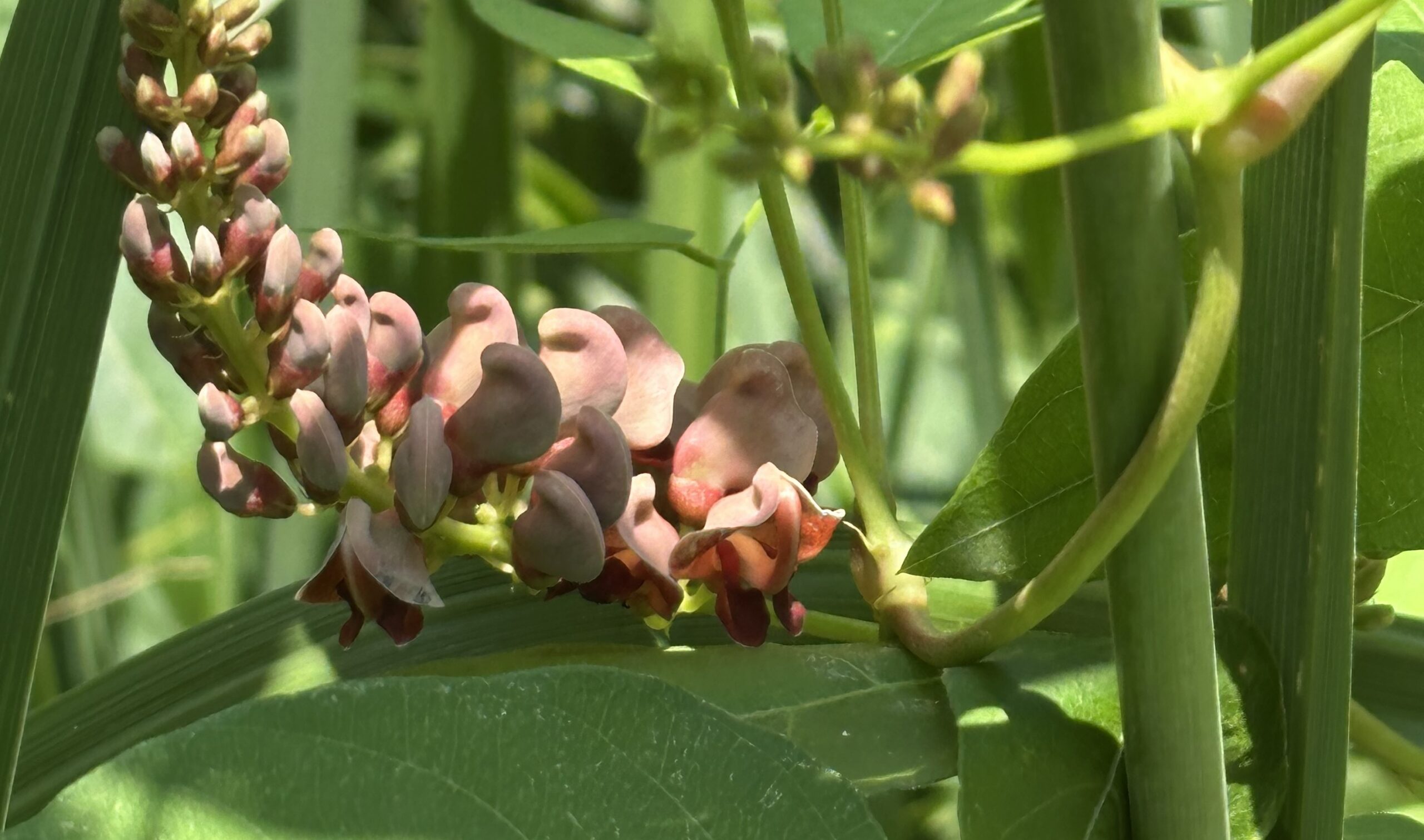
Calling all Wild Ones Ann Arbor Area members to share your yard with other chapter members. From April until October, we schedule visits to private properties large and small.
Submit interest to offer yours in 2027 – [email protected]
Educational Program for November
Wednesday, November 11, 2026, 6:30 p.m. – 8:00 p.m. Save Sibley Prairie. Jack Smiley will be making a case for preserving this RARE ecosystem treasure. Join in the effort.
In-person and Live stream
Our Chapter’s Advocacy for Native Plants
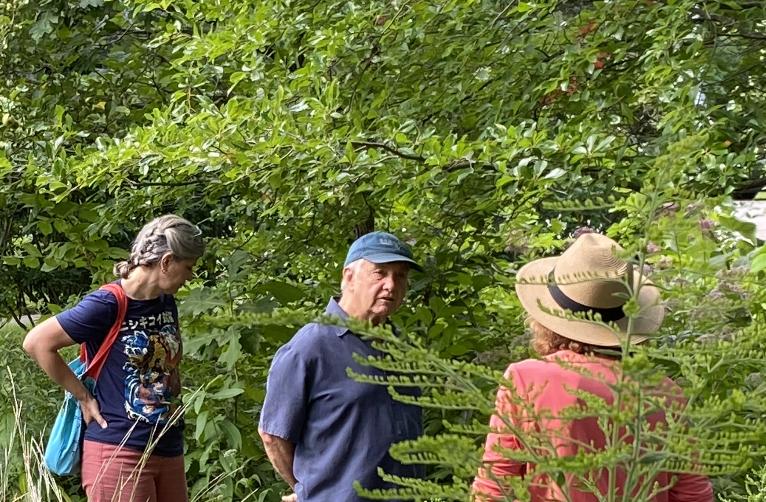
Wild Ones Ann Arbor Area advocates for native plants and natural landscaping here in Southeast Michigan through education, advocacy, and community action. Saving Sibley Prairie is an immediate action item.
Community Programs and Partners
Pocket Forest
In 2024, an informal coalition of three nonprofit organizations in Ann Arbor—Wild Ones Ann Arbor Area, the Buhr Park Children’s Wet Meadow Project, and the Ann Arbor chapter of Citizens’ Climate Lobby—planted a demonstration pocket forest of 300 native trees and shrubs in a 2,500-square-foot-area in Buhr Park, one of Ann Arbor’s largest and most-used public parks.
Seeds to Community
Seeds to Community offers regular opportunities to collect local seed and learn about seed cleaning and stratification, planting, growing, and sharing. In the past three years, thousands of native plants of over 130 different species have been spread throughout the community through this program.


CALL TO ACTION! Save Sibley Prairie
The largest and highest-quality lakeplain prairie remaining in the entire state, Sibley Prairie, is at risk. Learn how you can help.
Sibley Prairie, a vital lakeplain ecosystem in the Detroit River Watershed, is well known as Michigan’s highest quality lakeplain prairie, a rare, vitally important, and imperiled ecosystem. Lakeplain prairies, essential ecosystems that absorb and clean water and provide habitat to birds, insects, reptiles, amphibians, and mammals, are rare not only in Michigan, but globally, being classified as “critically imperiled” everywhere. Now, Sibley faces immediate extinction—death by development—and the race is on to save it. The corporate property owner has agreed to sell Sibley to a coalition of conservation groups, to preserve and protect it, but certain financial requirements must be met. The “Save Sibley Prairie Coalition” needs to raise $3.7 million by the end of the year, or the option to buy the Prairie will be lost.
Please visit Save Sibley Prairie Coalition to learn more, and to make a tax-deductible donation to protect this priceless home of nature. You can also learn more about Wild One Ann Arbor Area’s advocacy for this important effort on the page Our Advocacy for Native Plants.
Why Consider Natives?
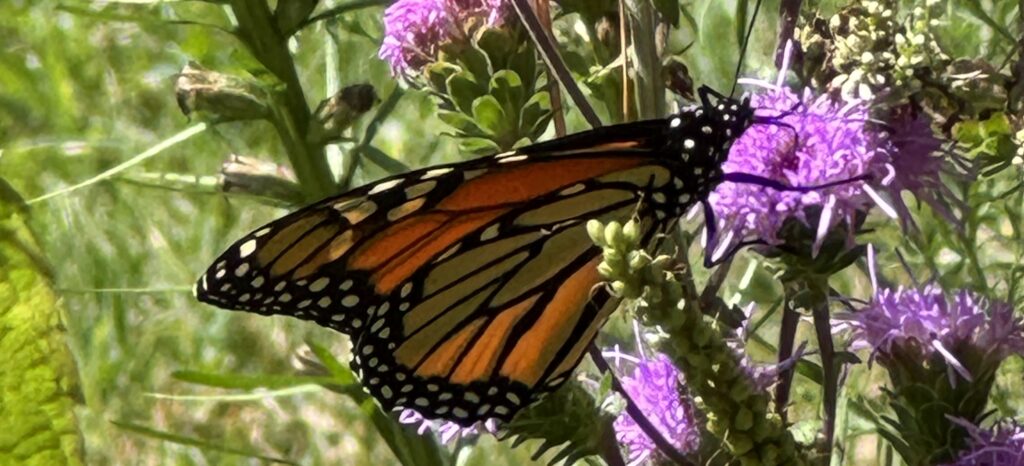
Native plants are critical for ecological balance and sustainability in both natural and human-altered environments. Here in Southeastern Michigan, native plants have co-evolved with animals and insects to create the complex ecosystem on which we depend. Native plants are at the core of our food and habitat matrix. Now, we are losing nature at an alarming rate, and the interconnected web that has existed for millennia is fraying. The choices that you make in home and community landscapes, large or small, can make a real difference in restoring the interwoven fabric of nature to provide ecological service and beauty. What makes native plants the better choice?
- Native shrubs, trees, and grasses are adapted to the local climate, soil, and rainfall, and once established, need less water and are more pest resistant. (Use Native and Adapted Plants, Colorado State University)
- Native plant root systems stabilize soil, reduce erosion, and improve water infiltration. They help filter pollutants from rainwater, protecting groundwater and waterways. (Native Plants and their Role in Water Conservation, Water Conservation)
- Science has highlighted the specific dependence of insect populations on native plants, and the subsequent demise of bird populations because of that habitat loss. (Next Steps for Nature, Doug Tallamy)
- Native plants in the wilderness can be forced out by invasive species. Invasives often grow faster and spread more aggressively than native plants. (We Cannot Ignore Invasives, Wild Ones Journal)
- Hands-on experience with natives links you to the expansive natural world for better health and wellbeing. (Nature and the Mind, Marc G. Berman)
Bringing people and native plants together is the mission of the Ann Arbor Area chapter of Wild Ones. We share information about all aspects of sustainable gardening practices and the distinction of native grasses, sedges, trees, shrubs, and forbs for incorporation into home and community landscapes.
Wild Ones: Native Plants, Natural Landscapes is a national nonprofit organization that promotes native landscapes through education, advocacy, and collaborative action.